Tribal Stewardship
In service of Indigenous stewardship across ancestral homelands through data, science, and sustained partnership
In the news: Recognition of Nation-led innovation
our commitment
Grounding Our Work in Sovereignty
We acknowledge Tribal Nations as sovereign governments with inherent rights, authorities, and responsibilities tied to the health and well-being of their peoples, lands, waters, and ecosystems. These interests extend throughout each Nation’s ancestral territory and are not extinguished or diminished by the patchwork of land ownership that has evolved across these lands.
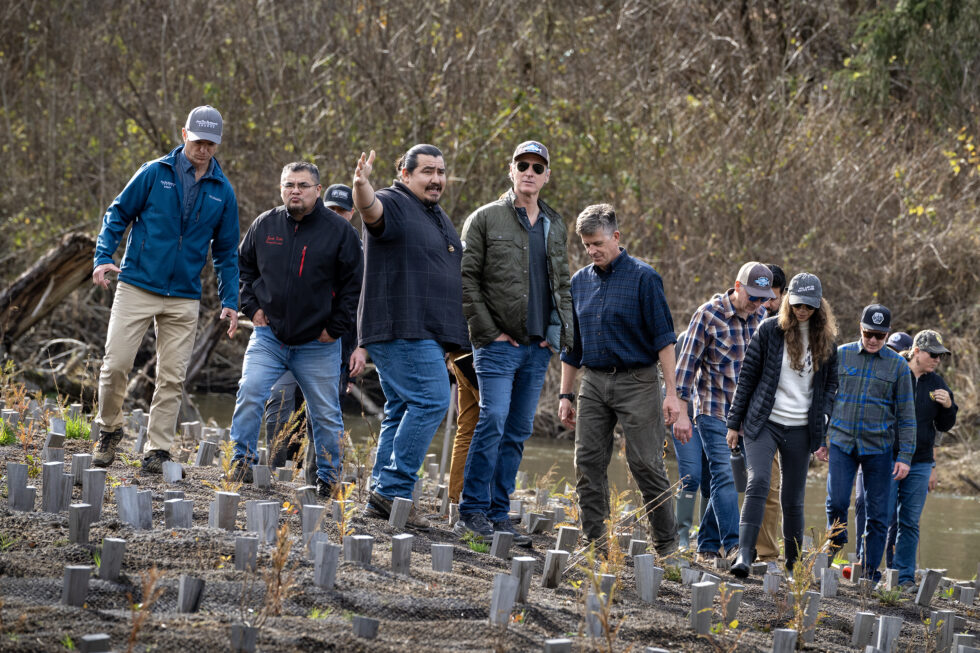
We recognize that Tribal Nations steward their homelands through intergenerational knowledge, governance, cultural practice, and place-based relationships that have been undermined and suppressed by colonial institutions for centuries. We clearly see the effects of this history, with relationships between people and the places we rely upon pushed out of balance. Nation-led stewardship can offer powerful, place-based responses to fire, forest, and ecosystem challenges when supported on the Nation’s terms.
This understanding carries forward into how we work—with humility, listening, and respect for Tribal priorities.
our work
What this looks like in practice
In every partnership, the work is defined by the Nation — not by our default workflows. Each Tribal partner sets the priorities and governs the decisions about their data and lands. We bring technical capacity, data infrastructure, and scientific tools to support those decisions.
What that looks like varies with every Nation. It can mean forest condition assessments and wildfire risk modeling, co-developed Response Functions, or data storytelling that centers Tribal leadership in ecosystem management. It can mean maps, restoration plans, and Community Wildfire Protection Plans — each shaped by what the partnership requires.

Our Ways of Working with Tribal Nations


When that approach holds — when tribal governance and sustained technical commitment align over real time — the results are worth documenting.
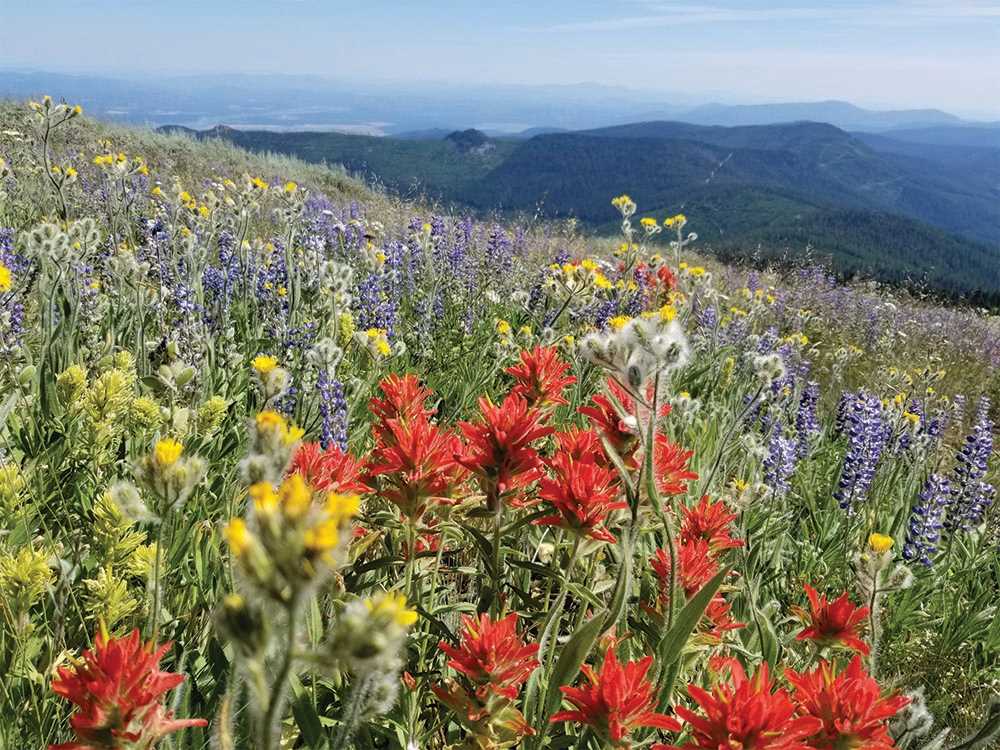
Vibrant Planet Platform & Kalispel Tribe of Indians Project
A 90,000-acre co-management effort with the Kalispel Tribe of Indians. Nine months of co-developed data governance protocols, landscape-scale wildfire resilience planning, and field-tested tools — recognized from 92 applications across 20 countries as a breakthrough model for Indigenous-led forest management.
Our Ways of Working are informed by a broader synthesis of Tribal voices and the Indigenous Data Sovereignty literature. We've made that synthesis public as a reference for the field:
Principles and Practices for Working with Tribal Data →
resources
Tools, research, & protocols for responsible partnership